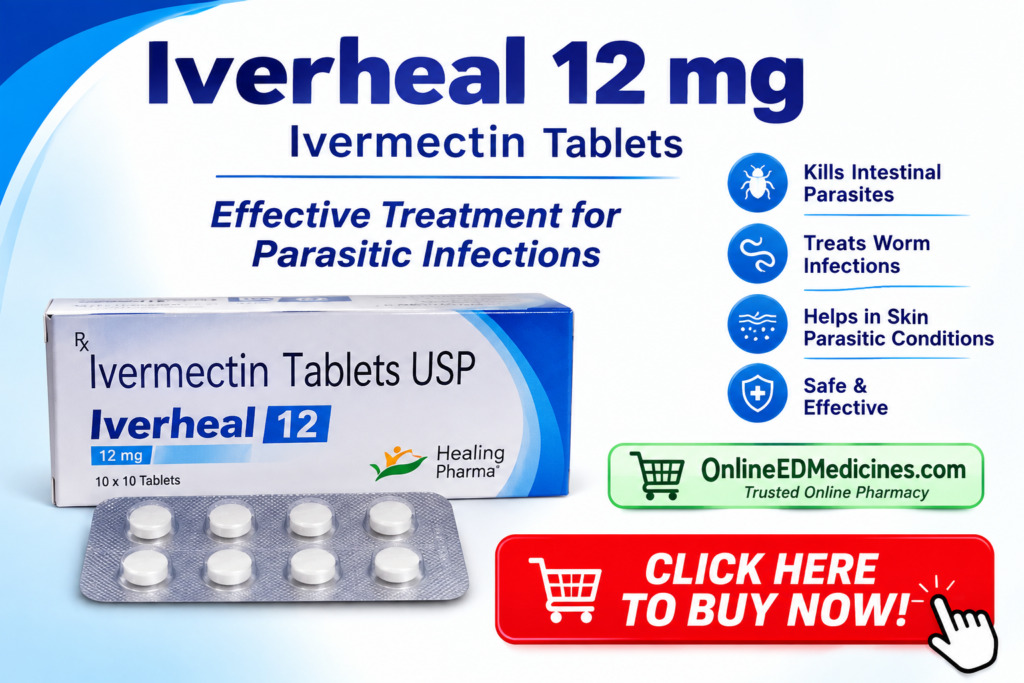
Iverheal 12 mg Ivermectin Safety Guidelines: A Complete Patient Guide
Iverheal 12 mg is a tablet marketed as containing ivermectin, an antiparasitic medicine used to treat certain infections caused by parasites. Like other medicines, ivermectin should be taken responsibly, with appropriate medical guidance and a clear understanding of its potential benefits and risks.
Understanding Iverheal 12 mg ivermectin safety guidelines can help patients recognize possible side effects, avoid inappropriate use, identify drug interactions, and understand when professional medical advice is necessary. The correct treatment depends on the type of infection, body weight, medical history, and other medicines a patient takes.
This guide explains the important safety precautions associated with ivermectin tablets. It is intended for educational purposes and should not replace a consultation with a qualified healthcare professional.
What Is Iverheal 12 mg?
Iverheal 12 mg is a branded oral tablet labeled as containing 12 mg of ivermectin. Ivermectin belongs to a class of medicines known as antiparasitic agents. It acts on susceptible parasites by interfering with their nerve and muscle function, helping eliminate or control particular parasitic infections.
Human ivermectin tablets are used for certain infections, including strongyloidiasis and onchocerciasis. Healthcare professionals may also prescribe ivermectin for other conditions in appropriate circumstances, depending on clinical guidance and local regulations.
Important: A tablet’s labeled strength does not determine whether it is suitable for a particular patient. Iverheal 12 mg should only be used when a healthcare professional has determined that ivermectin is appropriate and has provided clear instructions.
Why Are Iverheal 12 mg Safety Guidelines Important?
Although ivermectin can be effective for specific parasitic infections, incorrect use can expose patients to avoidable risks.
Following appropriate safety guidance helps patients:
- Use the medicine only for a suitable, medically assessed condition.
- Avoid taking an unsuitable dose or repeating treatment unnecessarily.
- Recognize possible adverse reactions.
- Identify medicines that may interact with ivermectin.
- Avoid unverified or potentially substandard products.
- Seek medical attention promptly if serious symptoms develop.
Ivermectin overdoses can cause significant neurological and other complications. Medicines intended for animals must never be substituted for human tablets.
Approved Uses and Appropriate Treatment
The appropriate use of ivermectin depends on the infection being treated and the applicable prescribing guidance.
1. Certain parasitic worm infections
Oral ivermectin is used to treat specific infections caused by parasitic worms, including strongyloidiasis and onchocerciasis. These conditions require appropriate diagnosis and treatment planning.
2. Other conditions requiring clinical assessment
Ivermectin may sometimes be prescribed for other parasitic conditions, including scabies, depending on the patient’s circumstances and local clinical guidance. Not every itchy rash or skin problem is caused by parasites, so self-diagnosis can lead to inappropriate treatment.
3. Uses that are not established
Ivermectin should not be self-administered to prevent or treat COVID-19. The US Food and Drug Administration states that available clinical evidence does not establish ivermectin as an effective treatment for this purpose.
A healthcare professional should establish the likely cause of symptoms before recommending treatment.
Iverheal 12 mg Dosage and Administration Safety
One of the most important ivermectin tablet safety rules is to follow the prescribed dose rather than choosing a dose based on the tablet strength alone.
The appropriate ivermectin dose may depend on body weight, the infection being treated, the patient’s medical history, and the relevant treatment protocol. A 12 mg tablet is not automatically the correct dose for every adult.
Follow these precautions:
- Follow your prescription: Do not change the dose or treatment schedule without consulting your prescriber.
- Check administration instructions: Human ivermectin tablets are generally taken on an empty stomach with water for labeled indications, but you should follow the instructions specific to your prescription.
- Avoid unnecessary repeat doses: Some infections require additional treatment or follow-up, while others may not. Do not repeat a dose independently.
- Do not double a dose: If you miss a dose, ask your healthcare professional what to do instead of taking extra medication.
- Do not share tablets: A medicine prescribed for one patient may be unsuitable for another.
If the prescribed dose or timing is unclear, contact your pharmacist or prescriber before taking the tablet.
Possible Side Effects of Iverheal 12 mg
Like other medicines, ivermectin can cause side effects. Their likelihood and severity may depend on the condition being treated, the dose, and the patient’s individual health circumstances.
Commonly reported side effects
Some patients may experience:
- Nausea or stomach discomfort
- Diarrhea
- Dizziness
- Headache
- Fatigue
- Itching or skin rash
Some symptoms can also result from the underlying parasitic infection or the body’s response to treatment. A healthcare professional can help determine the likely cause.
Serious adverse reactions
Although less common, serious reactions can occur. Seek urgent medical care if you experience:
- Difficulty breathing or swelling of the face, lips, or tongue
- Severe confusion or a marked change in alertness
- Seizures
- Difficulty walking or maintaining balance
- Fainting or severe weakness
- Serious skin reactions or rapidly worsening symptoms
Do not take another dose while waiting for medical advice if you suspect a serious medication reaction.
Who Should Take Extra Precautions?
Not every patient has the same risk profile. Before starting Iverheal 12 mg, discuss your medical history with your healthcare professional.
People with liver problems
Ivermectin is metabolized in the liver. If you have liver disease or a history of significant liver problems, tell your prescriber before treatment. Your healthcare professional can determine whether ivermectin is appropriate and whether additional monitoring is needed.
Pregnant or breastfeeding individuals
If you are pregnant, planning a pregnancy, or breastfeeding, consult a healthcare professional before taking ivermectin. The decision should account for the infection, potential benefits, and available pregnancy and breastfeeding safety information.
Do not begin treatment based solely on online advice.
Children
Ivermectin safety and dosing depend on the child’s age, body weight, and the condition being treated. Children weighing less than 15 kg require particular caution because safety has not been adequately established for all uses in this group. Treatment decisions should be made by a qualified healthcare professional.
Older adults
Older adults may take several medicines simultaneously or have underlying health conditions that affect treatment decisions. A prescriber or pharmacist should review their medications and medical history before treatment.
Iverheal 12 mg Drug Interactions
Drug interactions are an important part of ivermectin safety. Tell your healthcare professional about all prescription medicines, over-the-counter products, vitamins, supplements, and other treatments you use.
Particular attention is warranted for:
Warfarin and other anticoagulation management: Rare reports describe increased INR values when ivermectin is used with warfarin. Patients taking warfarin should consult their prescriber about appropriate monitoring.
Other prescription medicines: Some medicines may affect how drugs are processed or may increase the risk of adverse effects. A pharmacist can check your complete medication list for clinically relevant interactions.
Alcohol and sedating substances: Ask your healthcare professional whether alcohol or sedating substances should be avoided during treatment, particularly if you experience dizziness or drowsiness.
Never stop a prescribed medicine or alter its dose to accommodate ivermectin without professional guidance.
What to Do in Case of an Ivermectin Overdose
Taking more ivermectin than prescribed can be dangerous. Potential overdose symptoms include nausea, vomiting, low blood pressure, dizziness, impaired coordination, seizures, reduced consciousness, and other serious complications.
If you think you or someone else has taken too much Iverheal 12 mg:
- Seek immediate medical advice or emergency assistance.
- Do not take additional ivermectin.
- Do not induce vomiting unless specifically instructed by a medical professional.
- Keep the medicine packaging available so clinicians can identify the product, strength, and possible amount taken.
Do not wait for symptoms to become severe before seeking help.
Safe Storage and Product Quality
Correct storage and reliable sourcing are essential parts of medication safety.
- Store the medicine according to its packaging instructions, away from excessive heat and moisture.
- Keep tablets in their original packaging when practical.
- Keep all medicines out of reach of children.
- Check the expiry date, packaging integrity, batch information, and labeling before use.
- Obtain prescription medicines through a legitimate, appropriately licensed pharmacy.
Why product authenticity matters
A medicine’s label does not guarantee that its contents match the stated strength. Australia’s Therapeutic Goods Administration has reported laboratory findings involving certain imported ivermectin products, including Iverheal-12, that contained less ivermectin than their labels claimed. These findings concerned products tested by that regulator and do not establish the quality of every pack sold in every market. However, they demonstrate why verified sourcing and product quality checks matter.
Avoid unverified online sellers, products with damaged packaging, and medicines with unclear sourcing. If you suspect a product is counterfeit or substandard, do not use it until a pharmacist or appropriate regulator has advised you.
Frequently Asked Questions About Iverheal 12 mg Safety
1. Is Iverheal 12 mg safe for everyone?
No. Its suitability depends on the diagnosis, prescribed dose, medical history, other medicines, and individual risk factors. Consult a qualified healthcare professional before using it.
2. Can I take Iverheal 12 mg without a prescription?
You should not self-prescribe ivermectin. Use it only under appropriate medical supervision and obtain it from a legitimate pharmacy in accordance with local requirements.
3. What are the main Iverheal 12 mg side effects?
Reported side effects include nausea, diarrhea, dizziness, headache, and itching. Serious symptoms, including seizures, severe confusion, breathing difficulty, or major balance problems, require urgent medical attention.
4. Can I repeat the dose if my symptoms continue?
Do not repeat the dose on your own. Persistent symptoms may indicate that further assessment, a different treatment, or follow-up testing is needed.
5. Can ivermectin treat every type of parasite?
No. Ivermectin is effective against certain susceptible parasites, but it is not appropriate for every parasitic infection. Accurate diagnosis is essential.
6. Can Iverheal 12 mg be used for COVID-19?
Do not use ivermectin to prevent or treat COVID-19 without an established, appropriate medical indication. The FDA does not authorize or approve ivermectin for COVID-19 prevention or treatment.
7. What should I do if I experience side effects?
Contact your healthcare professional for advice about mild or persistent symptoms. Seek emergency assistance for severe allergic reactions, seizures, major changes in consciousness, or other serious symptoms.
Conclusion: Follow Responsible Iverheal 12 mg Safety Guidelines
Iverheal 12 mg contains ivermectin, an antiparasitic medicine that can be useful for certain infections when prescribed appropriately. Safe use involves confirming the diagnosis, following the prescribed dose, checking for drug interactions, understanding possible side effects, and obtaining medicine from a reliable source.
Patients should take particular care if they have liver problems, are pregnant or breastfeeding, take warfarin, or are considering treatment for a child. Avoid self-medication, excessive dosing, and unverified products.
The most important safety rule is simple: use ivermectin only when a qualified healthcare professional determines it is appropriate, and seek medical advice promptly if you experience concerning symptoms.